
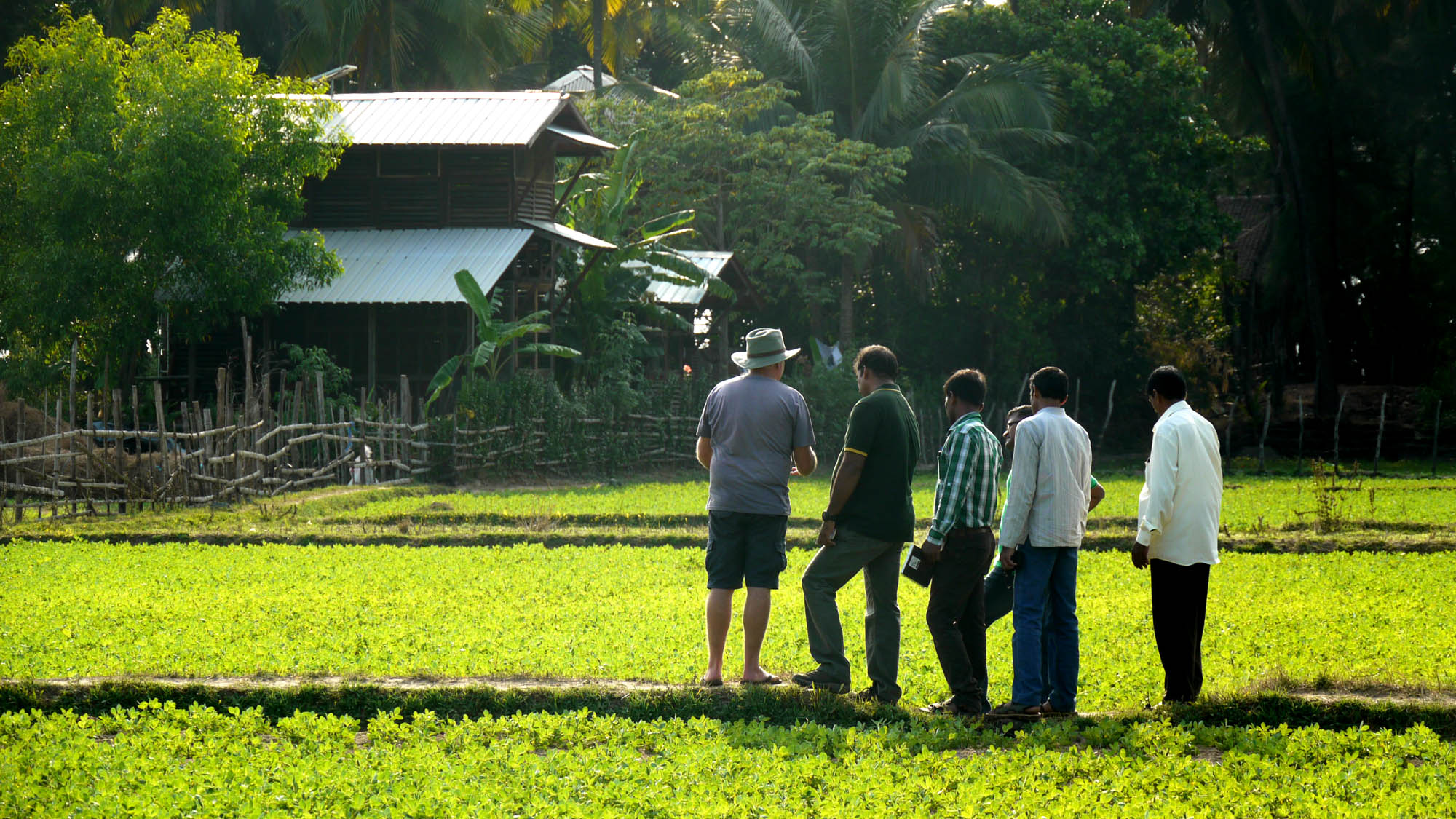
What we do begins with the landscape.
Field observation, conservation, community knowledge, research and enterprise — carried by the same method, in the same place, not run as six separate programmes.
02Conservation
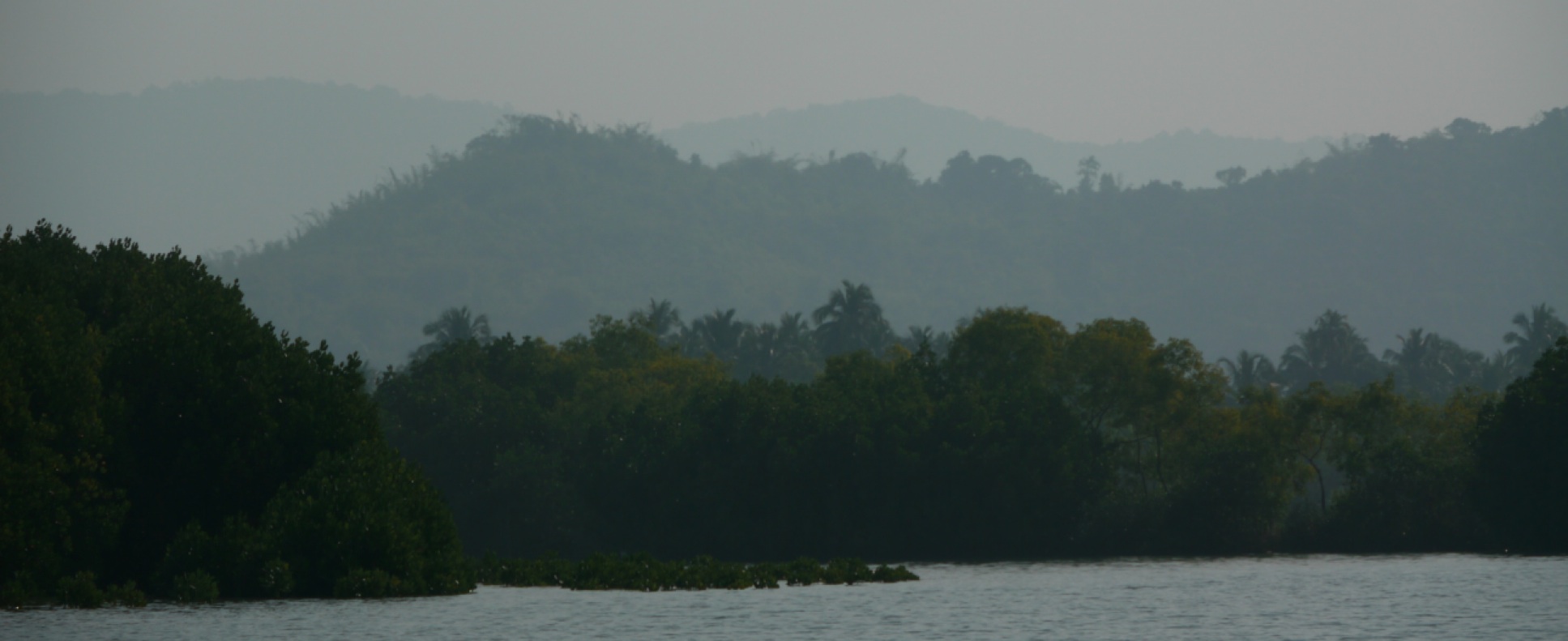
Grounded in research, with a Ramsar site and a decade of basin mapping behind it.
Basin and ecosystem mapping, and an ecosystem services valuation — the research record behind every conservation claim this site makes.
The Aghanashini Estuary and its basin, Kumta taluk, Uttara Kannada.
To make an evidence-based case for regenerative development over industrial extraction — not research for its own sake.
Ramsar designation, legally restricting industrial development on the estuary itself.
03Communities
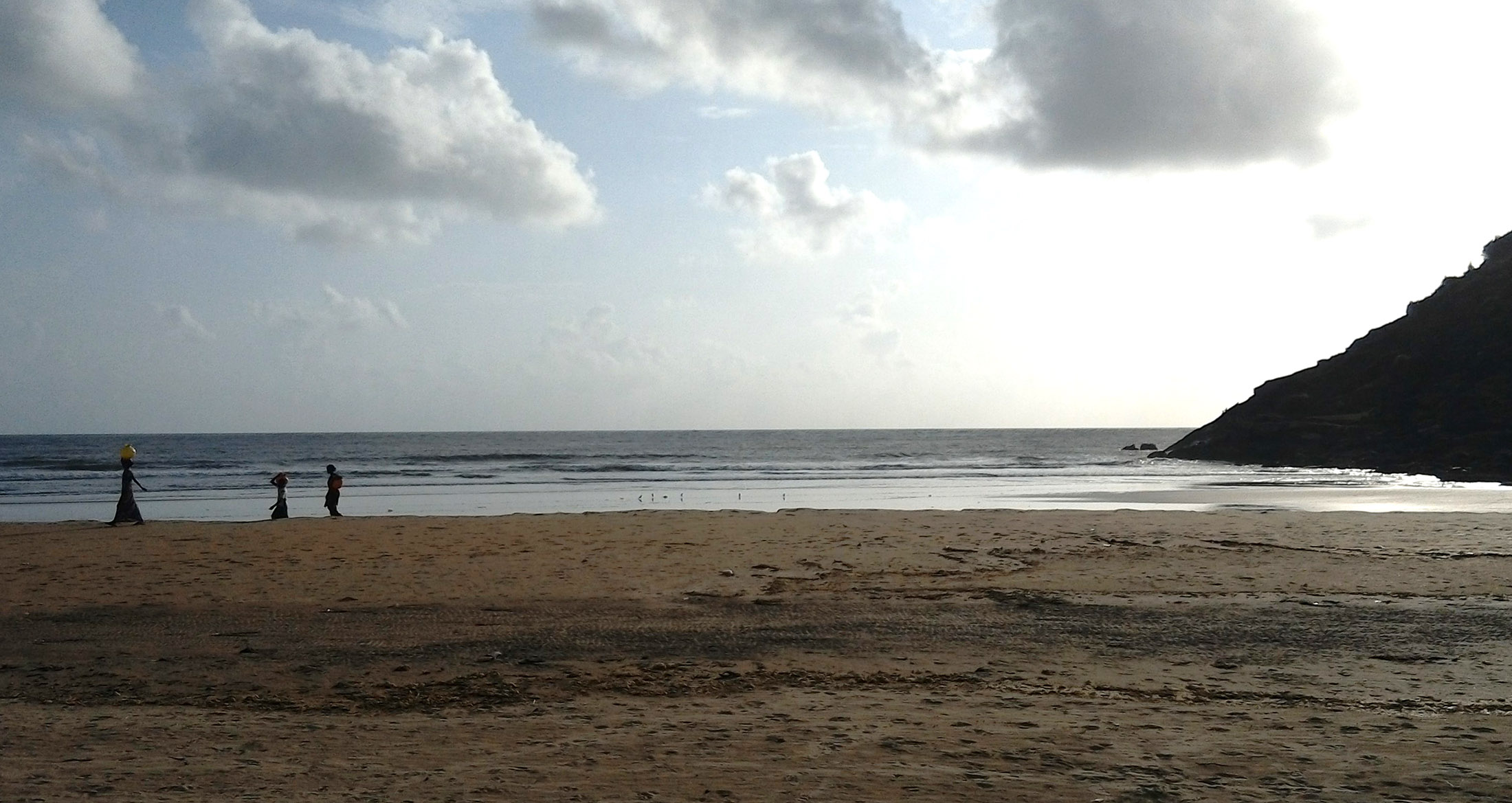
The people who live here are Panchabhuta’s research partners, not its subjects.
Socio-economic research on livelihoods around the estuary sits beside, not beneath, the Foundation’s ecological work. The 2016 homestay joint venture in Kumta taluk remains the clearest example — a real partnership with a family on the estuary, structured as a venture, not administered as a programme.
04Research & Knowledge
Rigorous, field-based, and always co-attributed with named partners.
PCF does not publish research it cannot name a partner for. A selection from the Research Library:
Aghanashini Basin Ecosystem Assessment
Gubbi LabsEcosystem Services Valuation
UNISA Adelaide — ~US$297M/yrBamboo Economy Feasibility Study (2019)
Gubbi LabsCommunity & Livelihoods Socio-Economic Studies
Fishing, aquaculture, medicinal-plant use“Hut to Hut” Prefabrication Study
NTNU, Norway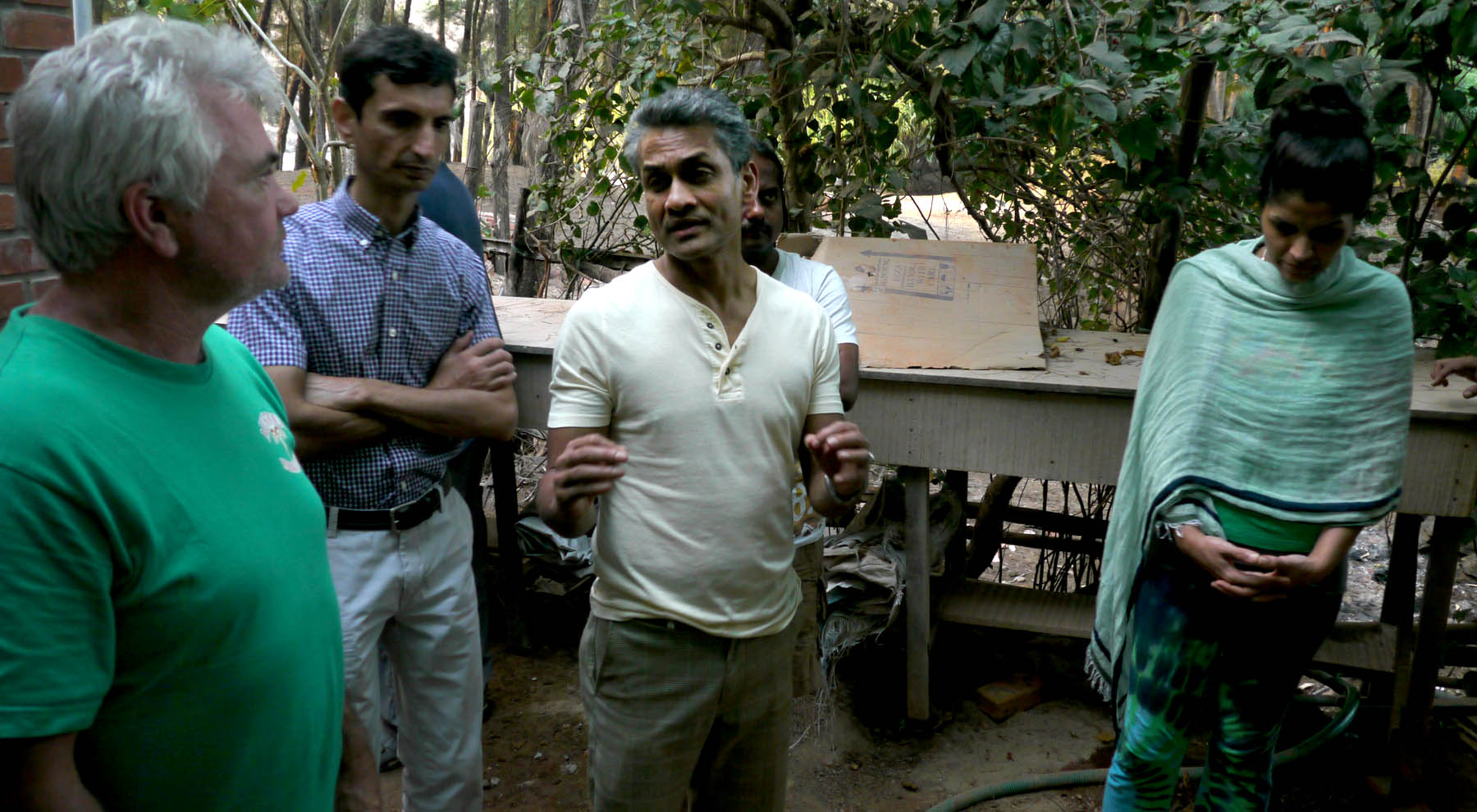
05Enterprise
Conservation is not separated from livelihoods.
Five green-economy verticals, each grown from PCF’s own research. Two are live ventures; the rest remain honestly research-stage.
Marine Value Additions
Oyster and estuarine aquaculture research.
Responsible Construction
“Hut to Hut” prefab research, with NTNU, Norway.
Biogenic Prefabs
Responsible Tourism
Homestay and tourism livelihoods research.
Kirubeli Cove / Panchabhuta Retreat
Food & Agri
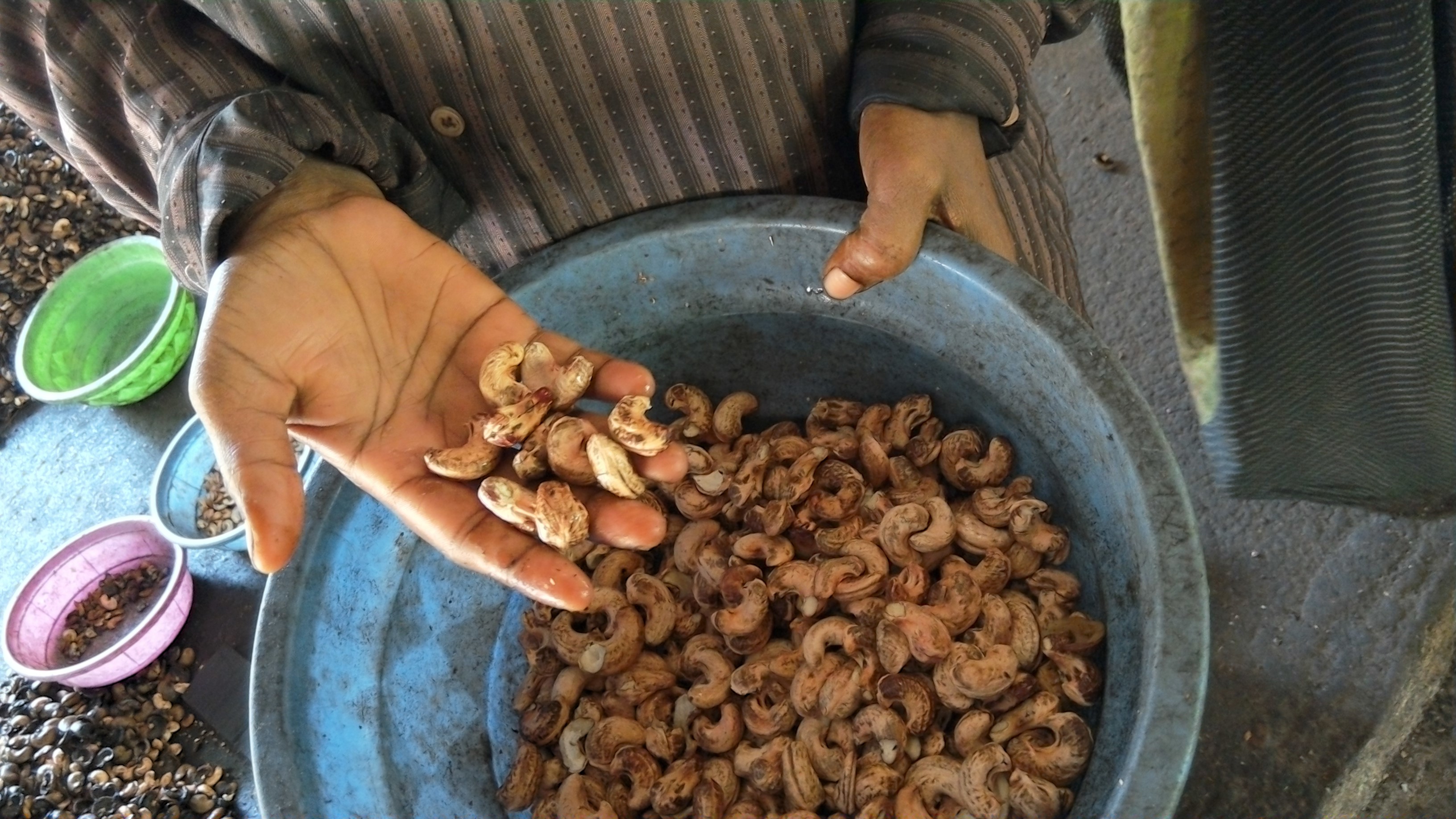
Native crop and ingredient research, including cashew and Kokum.
Sustainable Transportation
An early-stage vertical, acknowledged, not yet detailed.
06Policy & Institutional Engagement
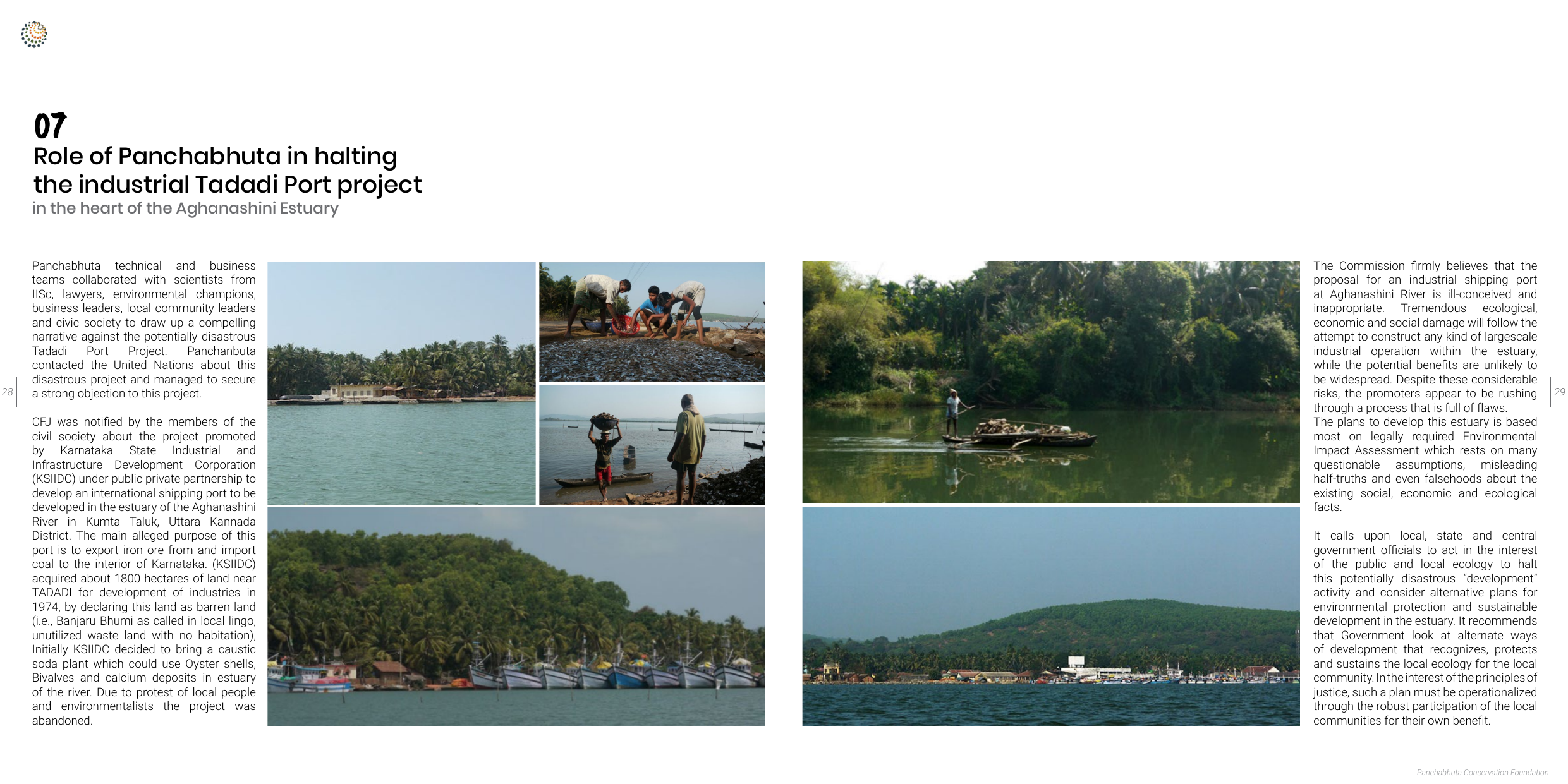
A shipping port was planned for the mouth of this estuary. It was never built.
PCF’s own basin mapping and ecosystem valuation became the evidentiary basis for advocacy against the proposed Tadadi Port, escalated via IISc and UN-level channels. The record includes the UN Commission’s own quoted objection — independent validation, not PCF’s own claim. It remains the Foundation’s single most concrete policy outcome. Ramsar designation now does the same work by default, legally restricting industrial development on the estuary itself.
Read the Full Story07Programmes
A working institutional archive, not a marketing portfolio — four programmes that demonstrate the method in practice.
Rural Green Business Incubator
Phased incubation across marine, bamboo, transportation, food-agro and homestay verticals. Phase I targets roughly 170 small enterprises and 2,000–2,500 jobs.
Basin & Ecosystem Mapping
Aghanashini basin ecosystem assessment and mapping — the research record behind PCF's own conservation claims.
The Innovation Toolkit
A 55-page applied methodology — Imagine, Nature, People, Story, Realise — produced with UK design studio tonkin liu, for entrepreneurs building inside the incubator.
Field Programmes
Named, ongoing community engagement work, including a children's nature-walk field programme (IBP) run on the estuary landscape.
08How the Work Connects
Not six isolated verticals. One sequence, run in the same place, for a decade.
Each step feeds the next: a landscape observed becomes research; research read alongside community knowledge becomes conservation and enterprise; conservation and enterprise, once evidenced, become policy; policy proven in one place becomes a model designed to repeat. No step stands alone — the sequence is the institution’s actual working method, not an org chart.
See Who Carries This Method09Field Evidence
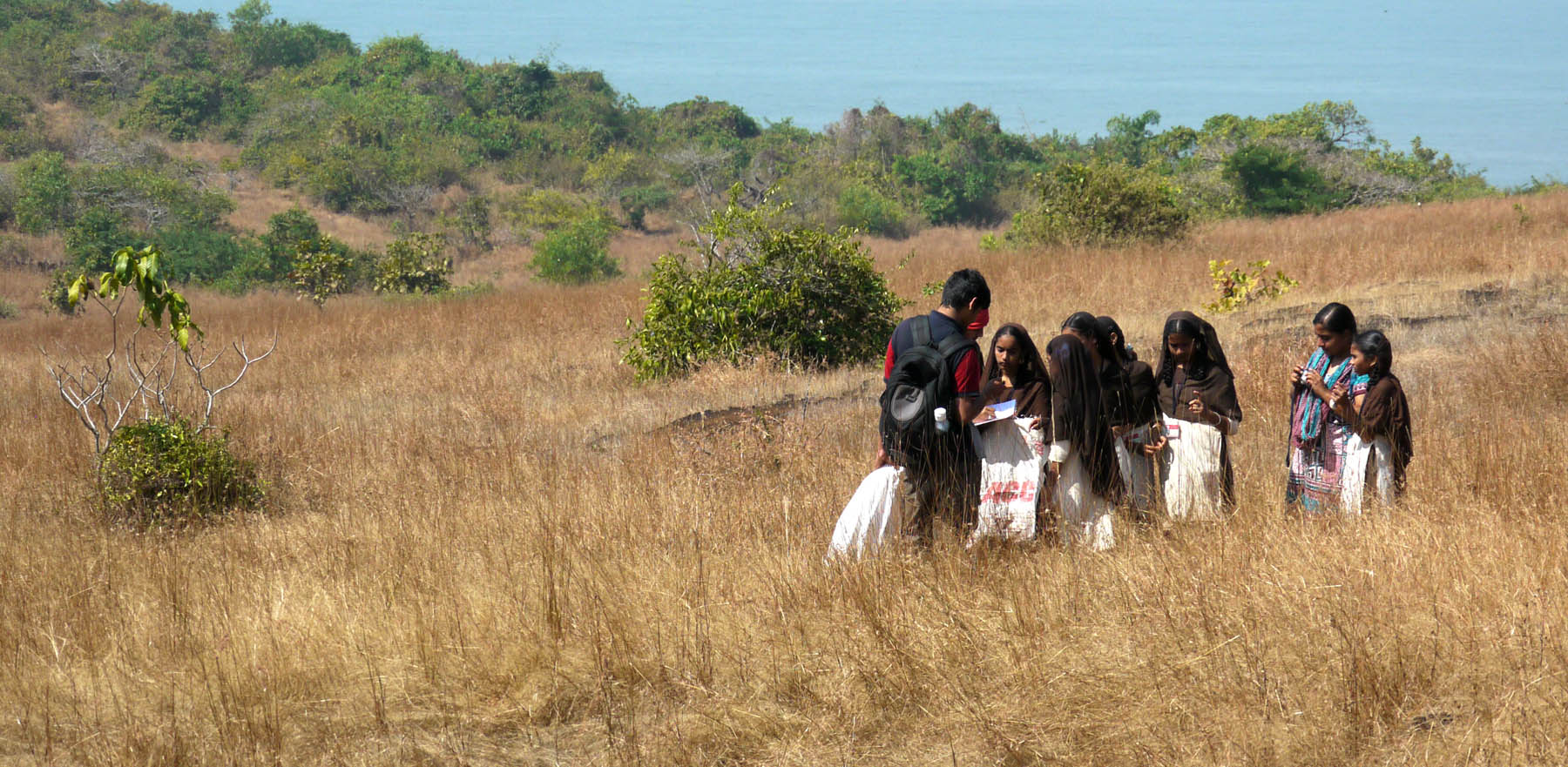
A children’s nature-walk field programme on the estuary landscape — one of the named, ongoing community engagement activities the Field Programmes work is built from, not a posed photograph made for this page.
Media & Press10The Work Continues
We work in the field. We document what we learn. We build with communities. We carry that knowledge forward.